
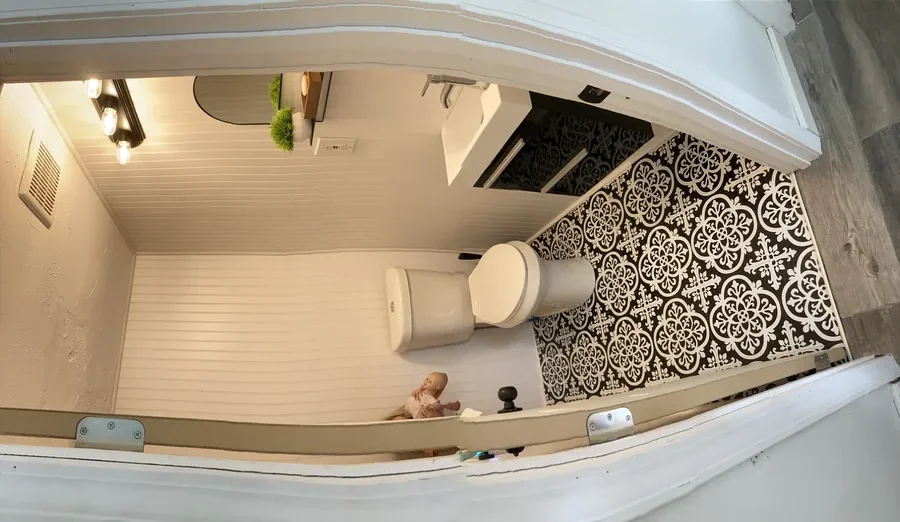
How Long Does a Bathroom Remodel Actually Take?
One of the first questions Topeka homeowners ask about bathroom remodeling is: how long will I be without my bathroom? It is a fair question, especially if you only have one full bathroom, which is common in many of Topeka's older homes in neighborhoods like Westboro, College Hill, and Potwin Place.
The honest answer is that a bathroom remodel takes longer than most homeowners expect. Internet articles that promise "your bathroom in 5 days" are either describing cosmetic refreshes (paint, hardware, accessories) or setting unrealistic expectations. A real remodel, where you are replacing tile, fixtures, vanity, and possibly reconfiguring plumbing, takes 2–4 weeks of active construction, plus 2–6 weeks of planning before that.
Here is a realistic, phase-by-phase timeline based on our experience completing bathroom remodels across Topeka and Shawnee County.
Phase 1: Planning and Design (2–6 Weeks)
The planning phase is the most important phase of your bathroom remodel, and it is the phase most homeowners underestimate. This is where decisions are made that determine the quality, cost, and timeline of the entire project.
Initial consultation (Week 1): We visit your home, assess the existing bathroom, discuss your goals, identify potential challenges (plumbing access, structural limitations, ventilation), and take detailed measurements. We also discuss budget range so we can tailor our design recommendations accordingly.
Design development (Weeks 1–3): Based on the consultation, we develop a design plan that includes layout, fixture placement, tile selections, vanity options, lighting, and hardware. For complex projects, we may produce 3D renderings so you can visualize the finished bathroom before construction begins.
Material selection (Weeks 2–4): This is often the most time-consuming part of planning. Choosing tile (floor tile, wall tile, accent tile, trim), vanity style and size, countertop material, fixtures (faucets, showerhead, toilet), lighting, mirrors, and hardware involves dozens of individual decisions. We guide you through this process, but you should allow adequate time to see samples, compare options, and make confident choices.
Material ordering (Weeks 3–6): Once selections are finalized, materials are ordered. Standard items may arrive in 1–2 weeks. Custom vanities, specialty tile, and certain fixtures can take 4–8 weeks. We do not start construction until all materials are on site to avoid mid-project delays.
Permit application: If your remodel involves plumbing or electrical changes, a City of Topeka building permit is required. We submit the permit application during the planning phase so approval is in hand before construction begins. Typical permit turnaround is 1–2 weeks.
Phase 2: Demolition (1–2 Days)
Once all materials are on site and the permit is approved, construction begins with demolition. We remove existing fixtures (toilet, vanity, tub/shower), strip tile from walls and floors, remove damaged or outdated drywall, and expose the framing and plumbing for inspection.
This phase moves quickly but generates significant dust and debris. We protect adjacent areas with plastic sheeting and drop cloths, and we haul all debris off site. For single-bathroom homes, this is when the countdown begins, plan for alternative arrangements (guest bathroom, gym membership for showers, etc.).
During demo, we also uncover any hidden issues: water damage behind walls, outdated plumbing that needs replacement, inadequate ventilation, or structural concerns. Approximately 30% of bathroom remodels reveal at least one hidden issue that requires additional work. A good contractor communicates these discoveries immediately and provides options and pricing before proceeding.
Phase 3: Rough-In Plumbing and Electrical (2–4 Days)
If your remodel involves moving fixtures, adding a shower body spray system, relocating the toilet, upgrading electrical circuits, or adding recessed lighting, this work happens after demolition. Professional plumbers relocate supply and drain lines, electricians run new circuits and install junction boxes, and any framing modifications are completed.
This phase often requires a City of Topeka rough-in inspection before we can proceed to the next stage. The inspector verifies that plumbing and electrical work meets code requirements. Inspection scheduling typically adds 1–3 days to the timeline. Kingdom Builders coordinates all inspections as part of our project management.
Phase 4: Waterproofing and Substrate (1–2 Days)
Proper waterproofing is the single most critical element of a bathroom remodel. Water damage from failed waterproofing is the number one cause of premature bathroom failure and can lead to mold, structural rot, and costly repairs.
We install cement board (like Hardie or Durock) on walls and floors in wet areas, apply liquid or sheet membrane waterproofing systems in the shower and tub surround, and ensure all seams and penetrations are properly sealed. This work requires cure time, typically 24 hours, before tile installation can begin.
Phase 5: Tile Installation (4–7 Days)
Tile work is typically the longest phase of a bathroom remodel. It requires precision, patience, and adequate cure time between steps. The timeline varies significantly based on the scope of tile work:
Shower walls and floor with custom tile: 3–5 days. Large format tile installs faster than small mosaic, and complex patterns (herringbone, basket weave) take longer than straight-set layouts.
Bathroom floor tile: 1–2 days depending on room size and tile format.
Accent walls, niches, and trim: 1–2 days for details like recessed shampoo niches, decorative borders, and edge trim.
Grout and sealing: 1 day, plus 24–48 hours of cure time before the shower can be used.
Each tile layer requires setting time before the next can be applied. Rushing tile work leads to lippage (uneven tiles), cracked grout, and waterproofing failures. This is not a phase where speed should be prioritized over quality.
Phase 6: Fixture and Finish Installation (3–5 Days)
This is the phase where the bathroom comes together and you start to see the finished result. Installation includes: vanity and countertop, toilet, faucets and shower hardware, mirrors and medicine cabinets, lighting fixtures, towel bars and accessories, paint and trim, door hardware, and final caulking.
Each element requires careful alignment, leveling, and connection. The vanity must be level and properly secured. Plumbing connections must be tested for leaks. Electrical fixtures must be properly grounded. Everything must be caulked where it meets walls and floors.
Phase 7: Final Inspection and Walkthrough (1 Day)
We schedule a final city inspection (if required), then conduct a detailed walkthrough with you. We test every fixture, check every tile, inspect every caulk joint, and ensure everything meets our standards and yours. Any punch list items are addressed immediately.
Total Timeline Summary
| Project Scope | Planning Phase | Construction Phase | Total Duration |
|---|---|---|---|
| Half-bath (cosmetic refresh) | 1–2 weeks | 3–5 days | 2–3 weeks |
| Half-bath (full remodel) | 2–3 weeks | 1–2 weeks | 3–5 weeks |
| Standard full bathroom | 3–4 weeks | 2–3 weeks | 5–7 weeks |
| Master bathroom | 4–6 weeks | 3–4 weeks | 7–10 weeks |
| Master bath with layout changes | 4–6 weeks | 4–6 weeks | 8–12 weeks |
What Causes Delays?
Material delays: Backordered tile, custom vanities, and specialty fixtures are the most common causes of timeline extensions. We mitigate this by ordering materials early and confirming delivery dates before scheduling construction.
Hidden damage: Water damage, mold, outdated plumbing, and structural issues discovered during demolition can add 2–5 days to the timeline. These discoveries are unpredictable but not uncommon in older Topeka homes.
Inspection delays: City inspection scheduling depends on inspector availability. We schedule inspections as early as possible and build buffer days into our timelines.
Decision delays: Changing your mind about tile, fixtures, or layout after construction has begun is the most expensive and disruptive cause of delays. This is why we invest heavily in the planning phase.
Frequently Asked Questions
Can I use my bathroom during the remodel?
No. Once demolition begins, the bathroom is out of service until the project is complete. For homes with only one full bathroom, we recommend making arrangements for the construction period. Some homeowners use a gym membership for daily showers; others arrange to use a neighbor or family member's facilities.
How much does a bathroom remodel cost in Topeka?
A half-bath cosmetic refresh starts around $5,000–$8,000. A standard full bathroom remodel ranges from $15,000–$30,000. A master bathroom with premium finishes and layout changes can run $30,000–$50,000 or more. We provide detailed estimates during the planning phase with itemized costs for every element.
Should I remodel one bathroom or two at the same time?
If you have two bathrooms that both need work, remodeling them simultaneously saves money on mobilization, demolition, and coordination. However, you need at least one functioning bathroom in the home. We can phase the work so one bathroom is always operational.
Do I need a permit for a bathroom remodel in Topeka?
If the remodel involves plumbing changes, electrical modifications, or structural work, yes. Cosmetic updates (paint, hardware, accessories) typically do not require permits. Kingdom Builders handles all permit applications and inspection coordination.
Start Planning Your Bathroom Remodel
The best time to start planning a bathroom remodel is 2–3 months before you want construction to begin. This gives adequate time for design, material selection, and ordering without rushing decisions you will live with for decades.
Call Kingdom Builders Co. at (785) 329-4551 or visit our contact page to schedule your free consultation. You can also explore our bathroom remodeling services for more information about what we offer across the Topeka area.

Written By
Ryan Felix
Owner, Kingdom Builders Co.
Ryan Felix has hands-on experience working on homes, decks, fences, bathrooms, kitchens, and outdoor living spaces. He founded Kingdom Builders Co. in Topeka with a simple conviction: show up when you say you will, do honest work, and charge a fair price. Ryan is personally on every job from estimate to final walkthrough.
Ready to Start Your Project?
Get a free estimate from Kingdom Builders Co. today.